The LDWA plans to publish a new LDPs book in late 2009, provisionally titled UK Trailwalkers' Handbook and we are pleased to announce that we will be working with Cicerone on this project. Cicerone is one of the UK's largest publishers of walking and associated outdoor guidebooks, with some 250 titles of which about half are UK books and over 30 relate to UK LDPs, so this new title will fit very well with their range, and with their objective that we share, to provide readers with 'a good day out in the hills'. The aim of this new book is to provide useful background for trailwalkers as well as details of the many hundreds of UK LDPs we now cover online. We will be targeting all those who walk LDPs, whether as one-day epics on challenging routes, or as a leisurely and sociable holiday on an easy route.
The focus of the volunteer LDWA LDPs Team in recent years has been to develop the online information services as a one-stop shop for UK trailwalkers and this is now substantially complete, with the LDWA website now the most comprehensive free and public source of UK walking trail information for personal use by individuals. With the routes and LDP publications we list mostly updated, we can now plan this new book to succeed the last Handbook that is now out of print.
We are now looking for contributions and help with this project both from LDWA members and everyone with an interest in UK LDPs, whether you are a recreational walker or are involved professionally.
If you are 'route promoter', such as a local authority professional or a developer or recorder for an Anytime Challenge walk, we need you to re-check the information we have for your routes by 30 September 2008. You can do this online, or contact us for printed details of your route to check. If you are launching or developing a new route we need to know as soon as possible and by no later than 30 September 2008 for it to be included in the book: after this new routes will still be added online.
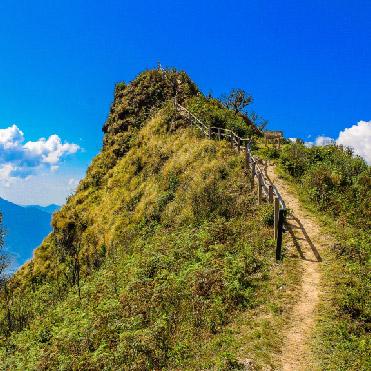
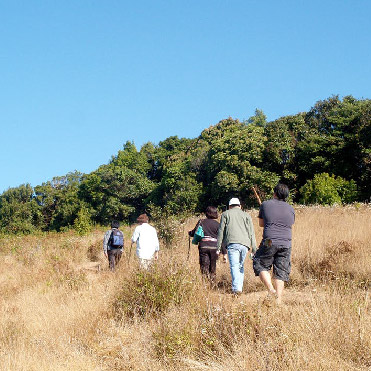
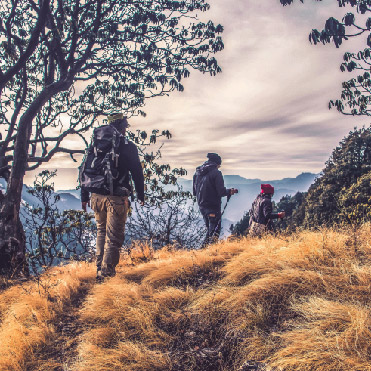
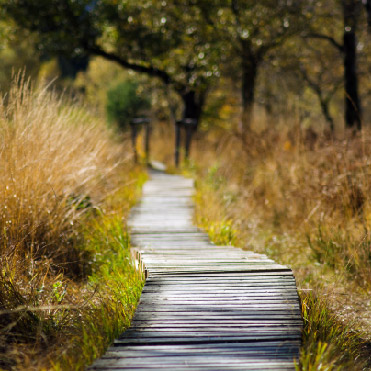
If you are a photographer, professional or amateur, we are looking for a range of quality pictures related to LDPs, from striking landscapes to 'people pictures' with impact. More details of what we are looking for are below in Guidelines for Photographers or contact us. Pictures used in the new publication will be accredited and the successful photographers will receive a book from the Cicerone range, while other pictures may be added online later on as an online Gallery.
If you are an author and want to contribute content to the book, please contact us.
If you have some time to spare and want to help with the project please contact us. The book entries for each route will differ from what is online - as book readers cannot 'click a link' - so there is much to be done to edit the online material into its final book form.
If you have ideas about how we, with Cicerone, can promote the new book and in turn your route, please let us know.
For the UK Trailwalkers' Handbook, we can accept slide photographs or digital files (see below for further details for digital users). You may want to contact us before submitting material, or for a postal address if sending CDs.
Colour photographs should be provided on quality slide transparency film. Film should be a minimum size of 35mm. Medium-format camera film is also acceptable. It is possible to use prints for colour, but the reproduction will not be as good as from a slide. In general use the best film possible.
We are looking for a good selection of pictures to represent all areas of the publication, ranging from the introduction to the walks and the book covers.
By submitting material you are assigning copyright for its use in this book - material must be original and not have been used in a similar book before. We welcome images from professional route promoters and route guidebook publishers on this basis.
By taking a digital photograph for as book you are essentially becoming a part of the digital publishing workflow. In the past photographs became part of this process only after the slides were scanned. Now the process starts when you turn the camera on, programme the settings etc. The requirements to achieve high quality images in a book are very demanding. We can also use images on the website and as the files are small the requirements are much less onerous. There are many examples online.
Remember that the elements of a strong photograph are unchanged - thinking, planning, selection, composition, light, action, framing, etc. A bad photograph does not become a good one just because it is digital, and a digital camera is not a substitute for good photographic skills.